From fishing harbor to Riviera icon
As you move from Genoa or Milan toward Portofino, each curve of coast reveals another chapter of Ligurian history.
Table of Contents
From Genoa's port republic to Riviera villages
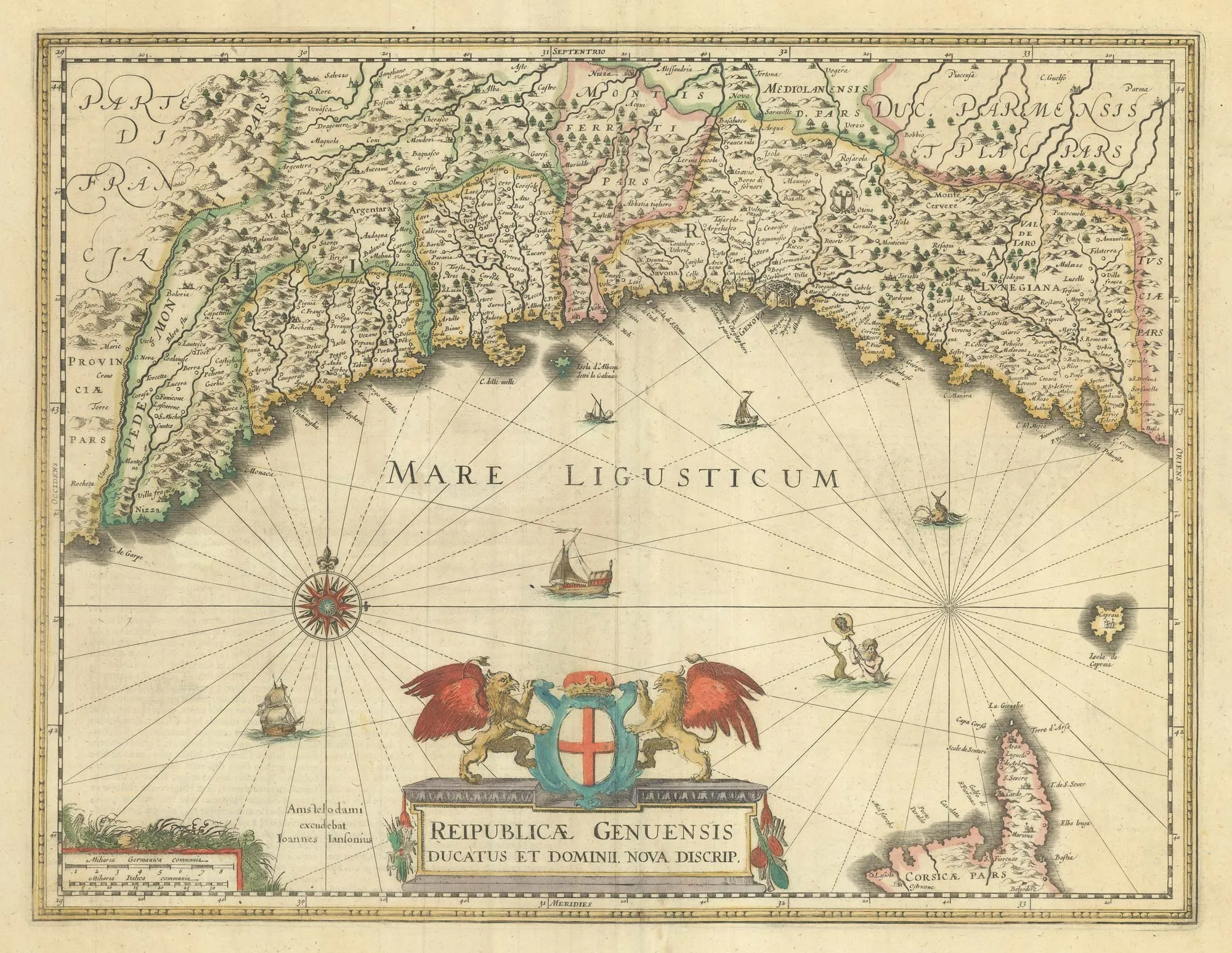
To understand Portofino, it helps to begin in Genoa, once one of the great maritime republics of the Mediterranean. For centuries, Genoese fleets moved goods, people, and ideas across Europe, North Africa, and the Levant, while small coastal villages along the Ligurian shore supplied sailors, fishermen, timber, and shelter. What now feels like a leisure corridor was once a practical maritime network shaped by storms, trade winds, and survival.
As routes expanded and fortunes rose, the Riviera evolved from a working coastline into a layered social landscape where commerce, faith, and local tradition lived side by side. Portofino remained small in scale but rich in strategic and symbolic value: a protected inlet, a fishing community, and later an aspirational destination. Today's transfer routes from Genoa and Milan trace that same coastal logic, following paths first defined by geography and seafaring necessity.
The early harbor life of Portofino
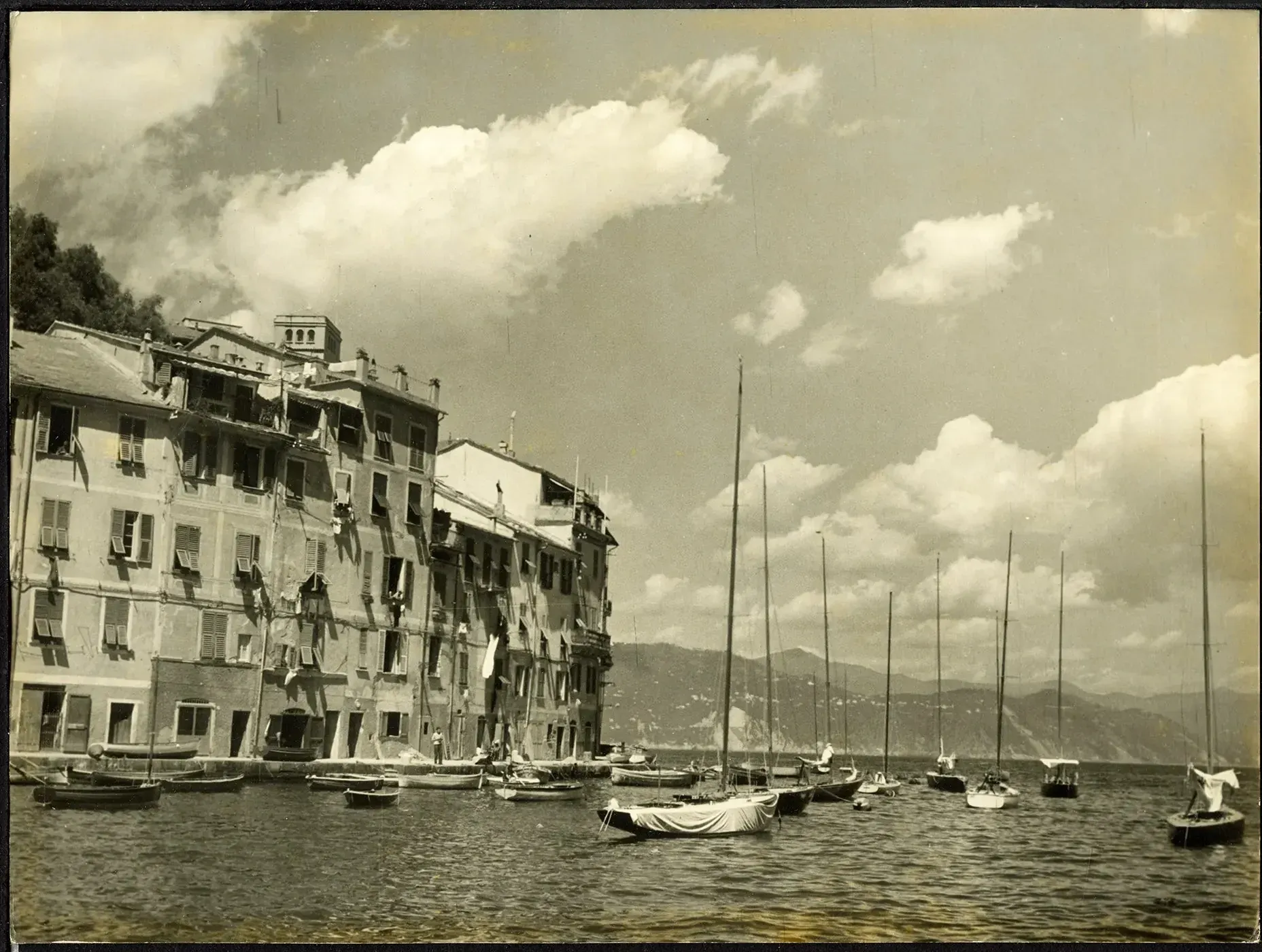
Long before luxury yachts arrived, Portofino was a humble natural harbor where fishermen launched wooden boats at dawn and returned with catches that sustained nearby communities. The harbor's distinctive curved shape offered rare shelter on a rugged coast, making it valuable both for local livelihoods and for passing vessels seeking protection from changing weather.
Early records and oral traditions point to a settlement adapted to sea rhythms: narrow lanes, practical homes, chapels for sailors, and a social life tied to tides and seasons. Even today, beneath the polished postcard image, that older identity remains visible in boat maintenance routines, seafood culture, and the village's enduring relationship with the water.
Fishing, coral, and coastal trade routes
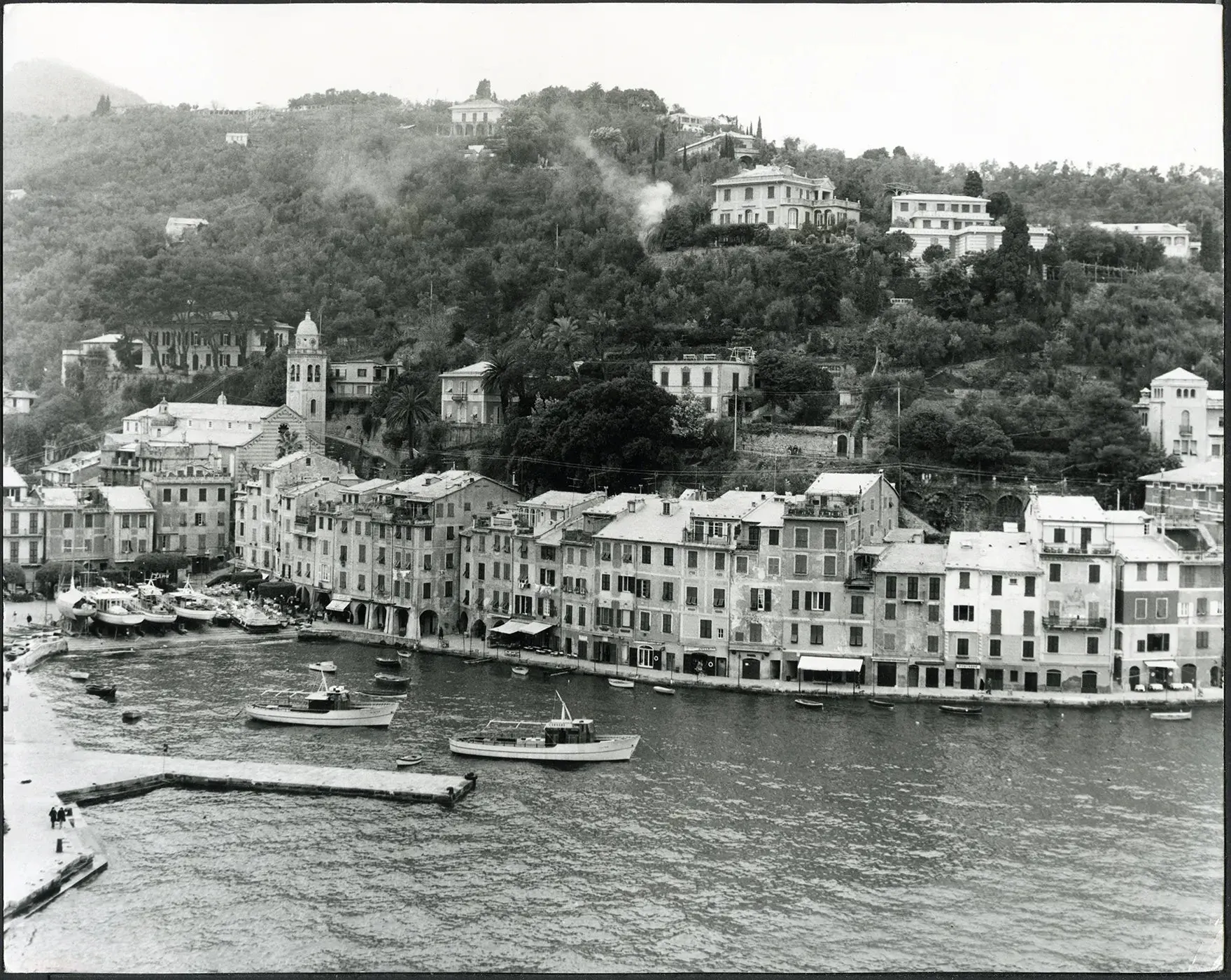
The economy of this coastline once depended on small-scale fishing, coastal trade, and craft knowledge passed between generations. Boats carried anchovies, salted products, olive oil, and local goods to neighboring ports, while maritime know-how - reading currents, preserving catches, repairing hulls - shaped community life in ways visitors rarely see at first glance.
Across Liguria, harbor towns formed a practical chain rather than isolated postcards. Portofino's role may have been modest compared with Genoa's commercial power, but its position in that chain mattered. Modern boat tours now retrace these waters for pleasure, yet the route still carries traces of the same maritime intelligence that sustained communities for centuries.
Nobility, villas, and the Belle Époque coast
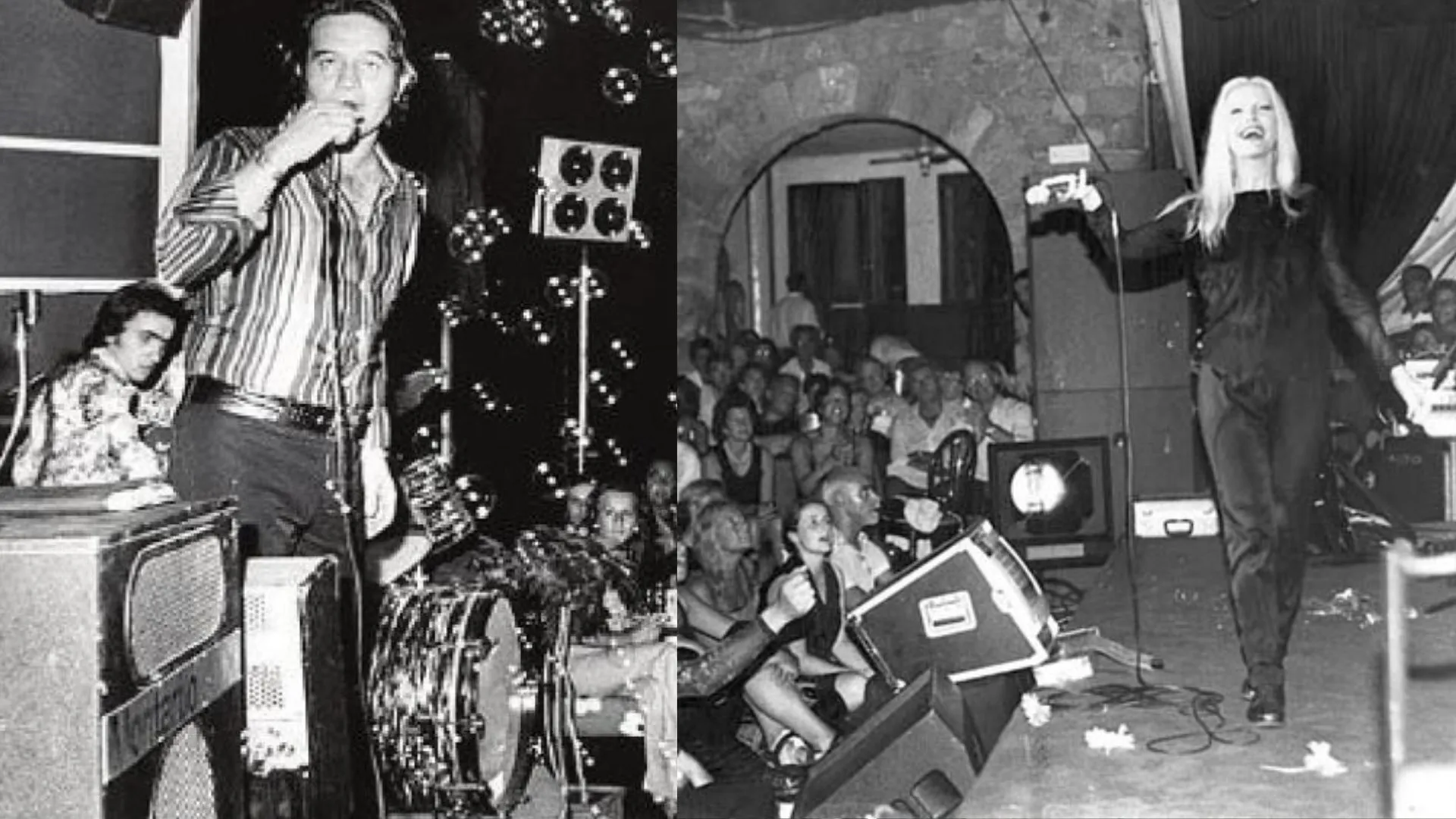
By the nineteenth century, improved mobility and changing social habits transformed sections of the Riviera into seasonal retreats for aristocrats, intellectuals, and later international elites. Grand villas appeared on hillsides with commanding sea views, and the image of Liguria shifted from working coast to refined escape.
Portofino's compact harbor became part of that cultural dream: intimate, photogenic, and socially prestigious. This was not merely aesthetic change - it reshaped local labor, architecture, and commerce. Hospitality, service, and curated leisure slowly complemented and sometimes replaced older maritime professions, creating the layered destination travelers encounter today.
Santa Margherita and Rapallo as gateways
For many visitors, Santa Margherita Ligure and Rapallo are not detours but essential gateways to Portofino. Their rail links, promenades, and piers make them natural transition points between inland cities and the protected promontory beyond. Over time, these towns developed robust hospitality infrastructures that support Riviera mobility to this day.
When your tour passes through these hubs, you are seeing the practical skeleton behind Portofino's glamour. Ferries, local buses, and transfer vehicles synchronize here, allowing travelers to experience a small village destination without overwhelming it with unrestricted car traffic. This balance between access and preservation is central to the region's long-term resilience.
The Milan connection and leisure travel
Milan's rise as a financial and cultural capital strengthened its role as a departure city for short, high-quality leisure escapes. As rail and road networks improved, day trips and weekend itineraries to the Ligurian coast became increasingly popular, especially among travelers seeking contrast between urban intensity and coastal calm.
Today, organized tours from Milan convert what could be a complicated multi-leg journey into a coherent experience. This shift is significant: Portofino is no longer reserved for those with private transport or local knowledge. With modern transfer design, it becomes accessible to a wider audience without losing its distinctive atmosphere.
By road, by rail, by sea: changing access
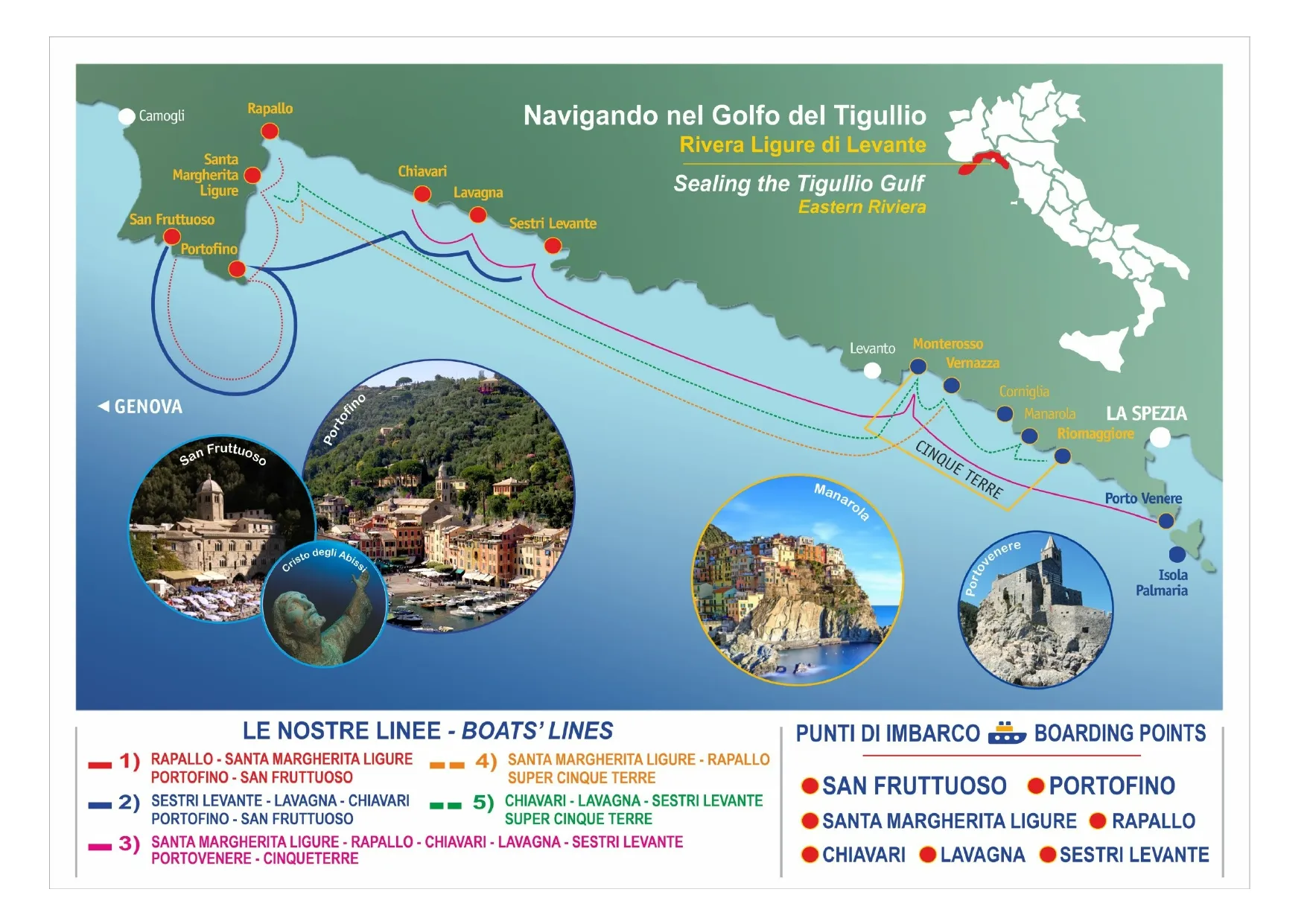
Reaching Portofino has always required adaptation. Historically, access relied heavily on maritime movement and local trails; later came better roads and regional rail integration. Even now, the final approach often works best by boat or shuttle, particularly during high season when road congestion increases.
That multi-modal pattern is not a limitation - it is part of the Riviera experience. You move through layers: city station, coastal hub, then sea approach. Each leg changes your perspective, and by the time you arrive in Portofino, you feel the transition from metropolitan rhythm to harbor-scale life in a way that direct point-to-point travel rarely offers.
Crowds, conservation, and carrying capacity
Portofino's beauty is inseparable from its scale, and that means visitor pressure must be managed carefully. In peak months, narrow lanes and harbor fronts can become crowded quickly, especially when multiple excursions arrive simultaneously. Responsible tour scheduling helps distribute flows and protects both resident life and visitor experience.
From a practical standpoint, this means planning matters: choose earlier departures, keep meeting times, and respect local guidance around movement and waste. Sustainable tourism in small coastal communities depends on thousands of small decisions, and visitors are an active part of that balance.
Festivals, faith, and Riviera traditions
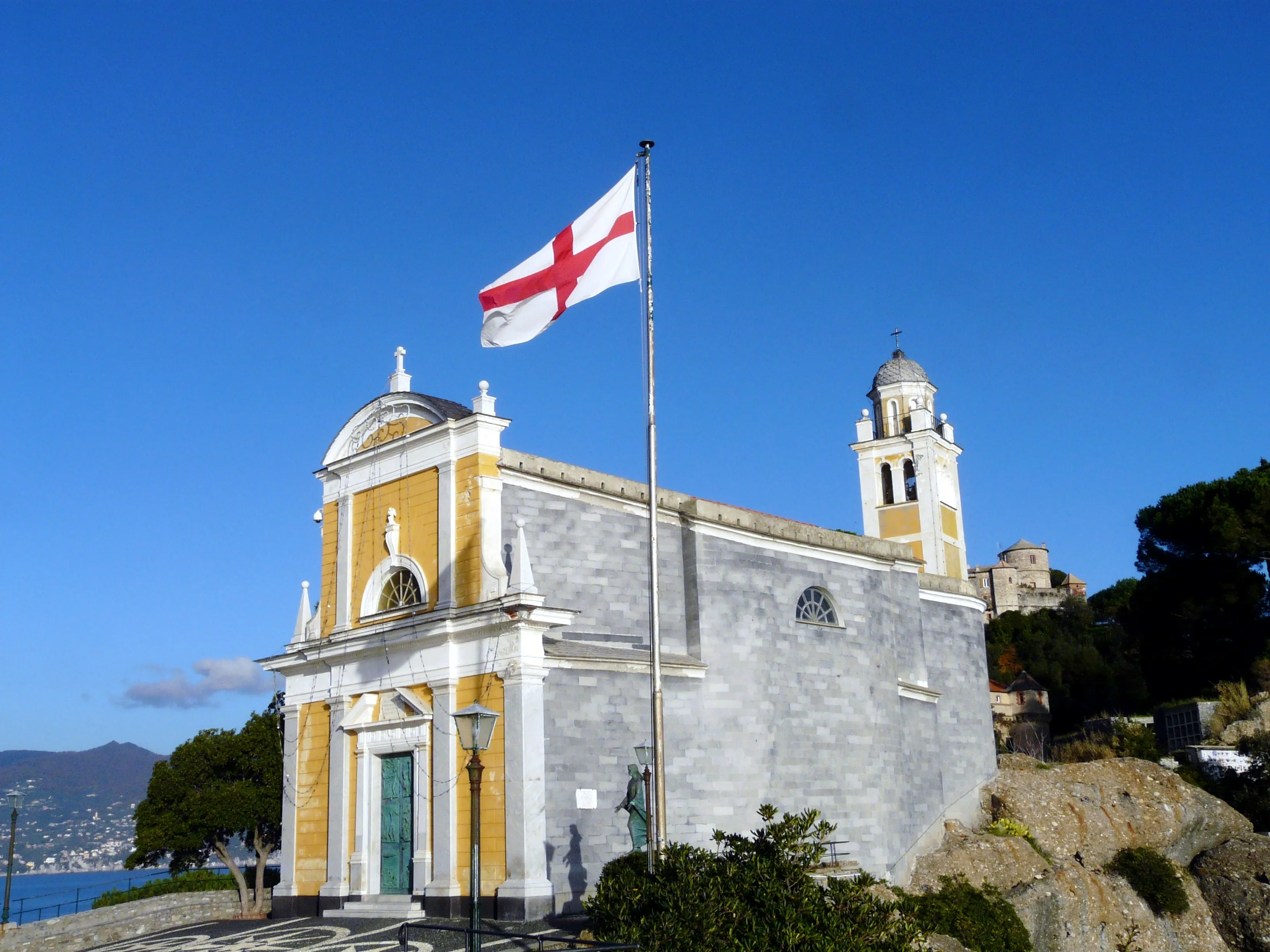
Beyond glamorous imagery, the Riviera keeps deep local traditions alive through religious feasts, maritime blessings, patron-saint processions, and seasonal food festivals. These events stitch communities together and often revolve around harbors, churches, and shared public spaces where residents and visitors meet naturally.
If your trip coincides with a local celebration, you may experience Portofino and neighboring towns at their most authentic: less polished, more communal, and full of small rituals that reveal regional identity. Listening, observing respectfully, and slowing down can turn a scenic day trip into a meaningful cultural memory.
Modern tours and smarter planning
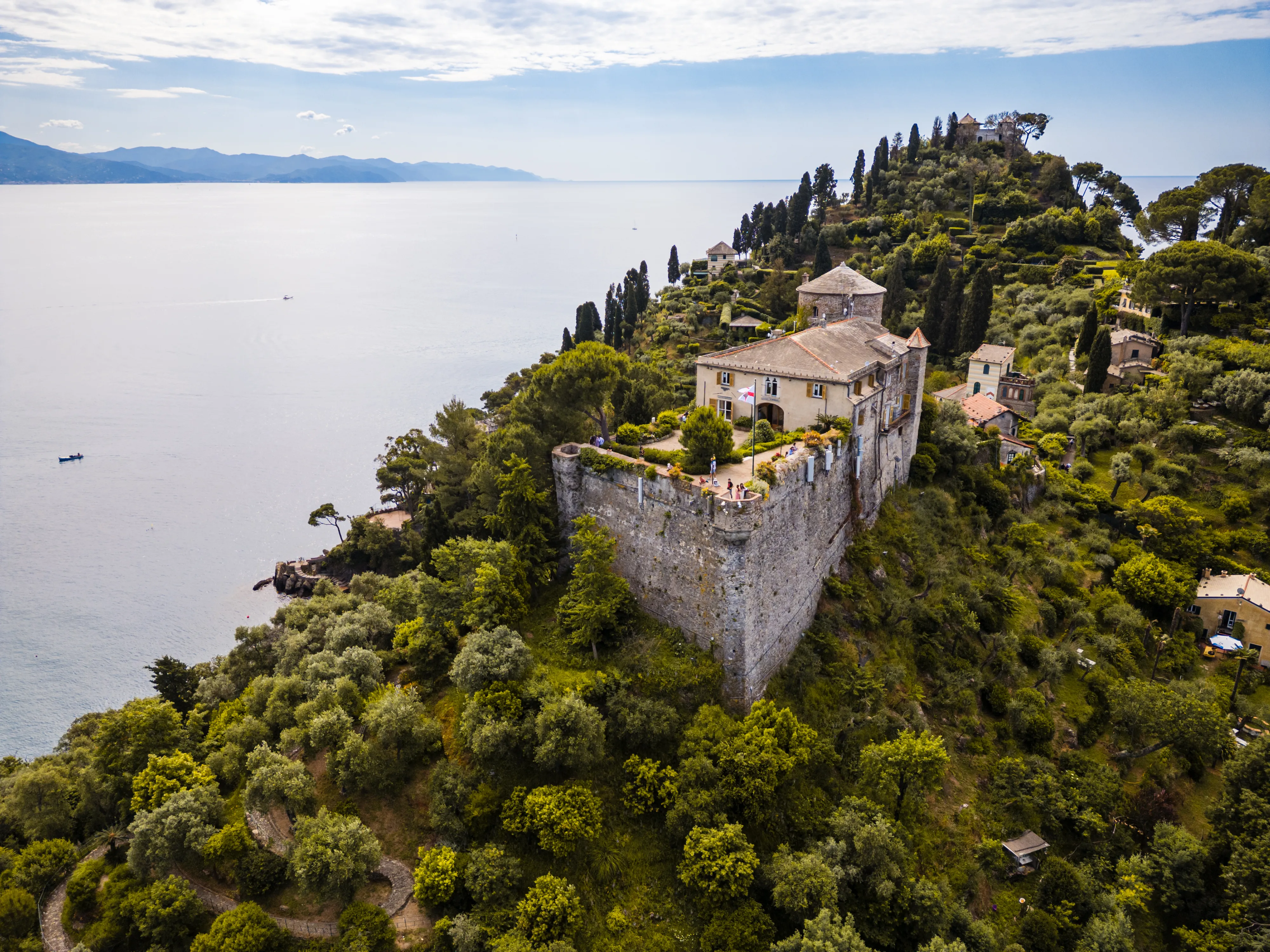
Today, Portofino products range from basic transport to curated full-day experiences. The key is matching format to your travel style: if you value independence, pick transfer-first options with clear free time; if you prefer context and reduced decision fatigue, choose guided formats that coordinate every transition.
Smart planning also means realistic expectations. Portofino is compact, premium, and often busy. Build your day around one or two anchor experiences - harbor stroll, scenic climb, long lunch, or boat segment - rather than trying to do everything. The best Riviera days feel spacious, not rushed.
Protecting marine and architectural heritage
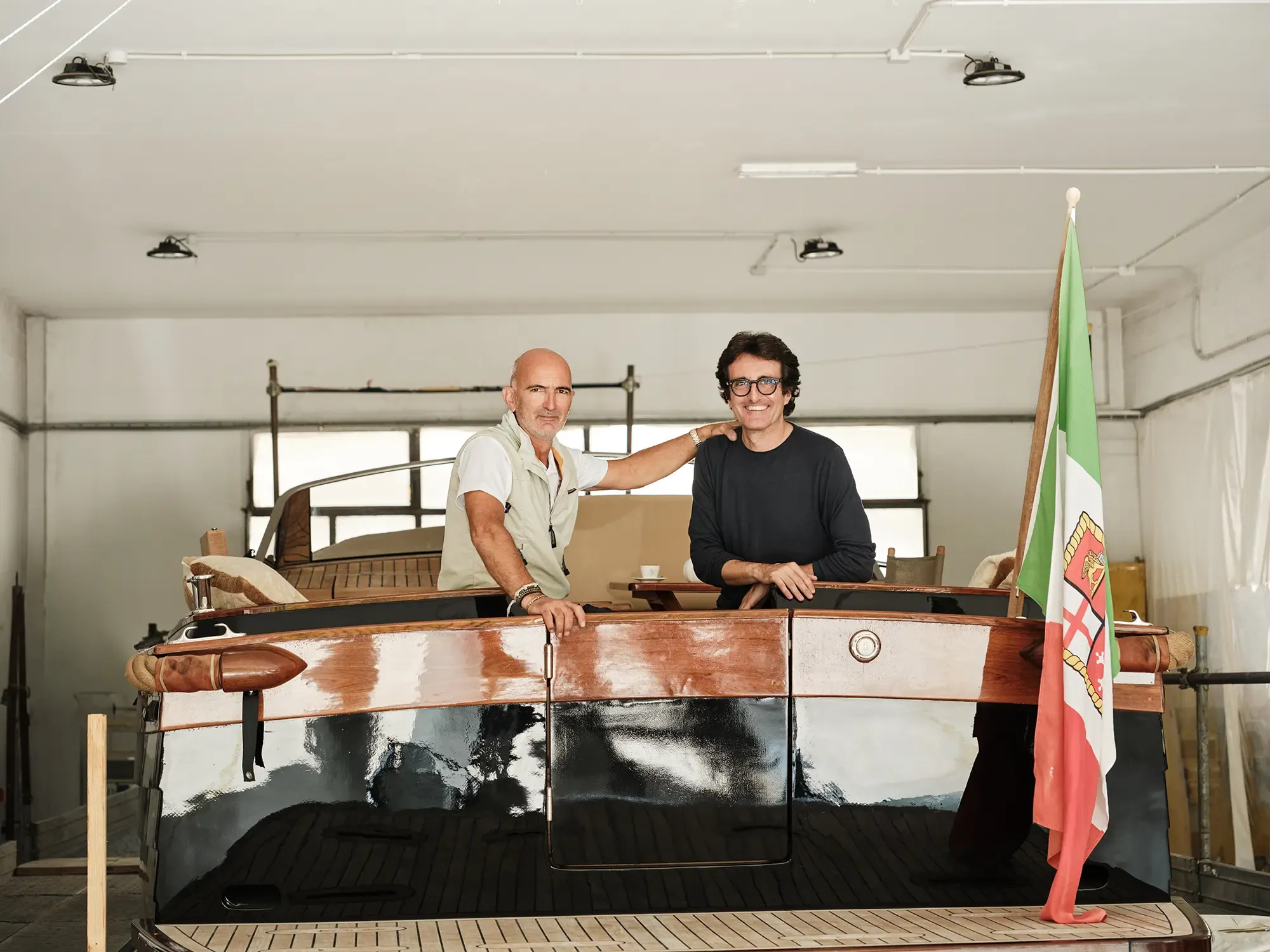
The Portofino area includes environmentally sensitive habitats and a historic built fabric that cannot absorb unlimited impact. Conservation policies, protected marine zones, and access management are therefore not bureaucratic details; they are the reason the destination still feels exceptional.
Choosing reputable operators, reducing single-use waste, and respecting designated paths all contribute to long-term preservation. Responsible tourism is especially important in compact coastal destinations, where small behavioral shifts can have visible effects on water quality, trail erosion, and local quality of life.
Hidden coves, viewpoints, and side routes
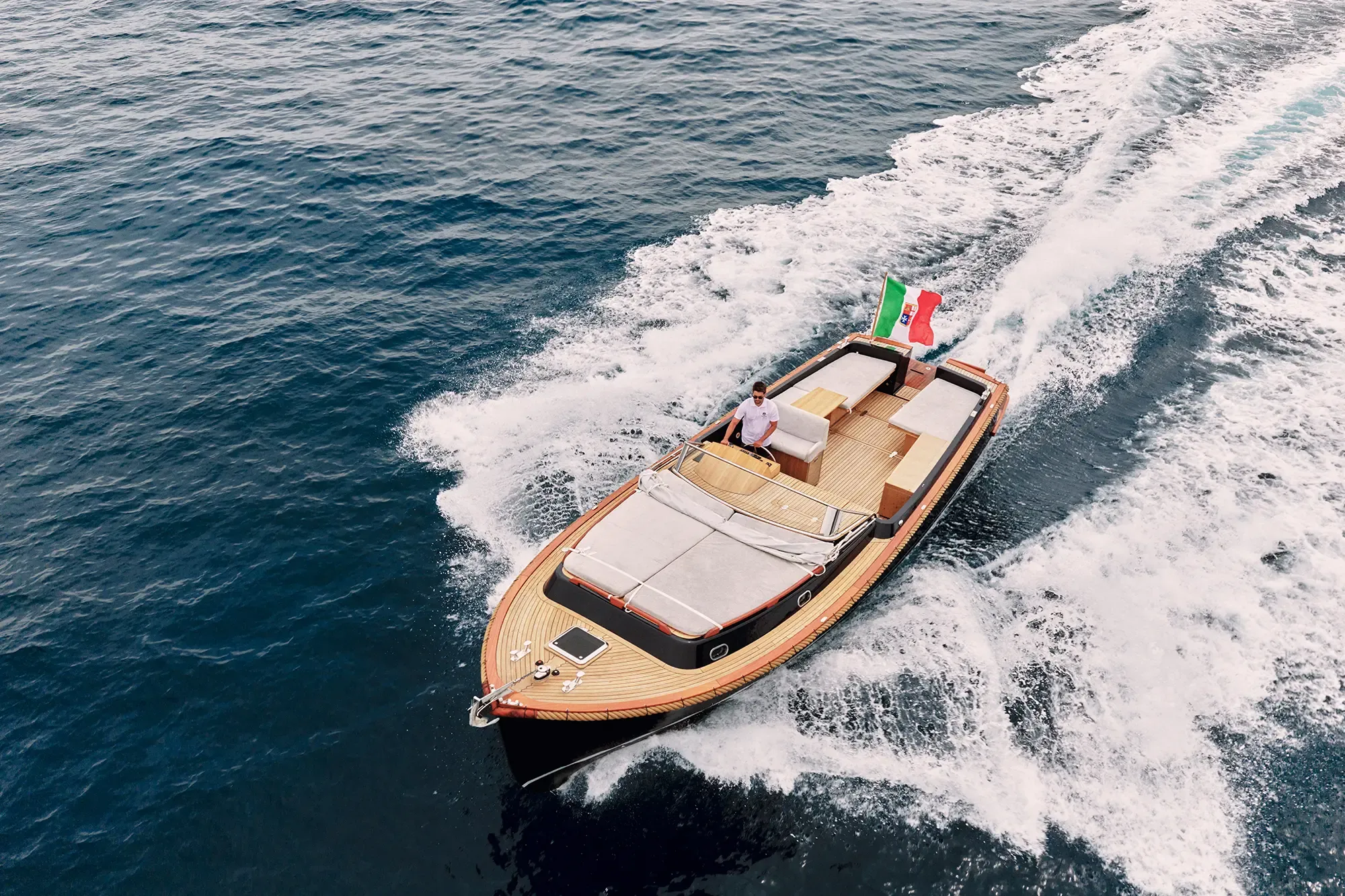
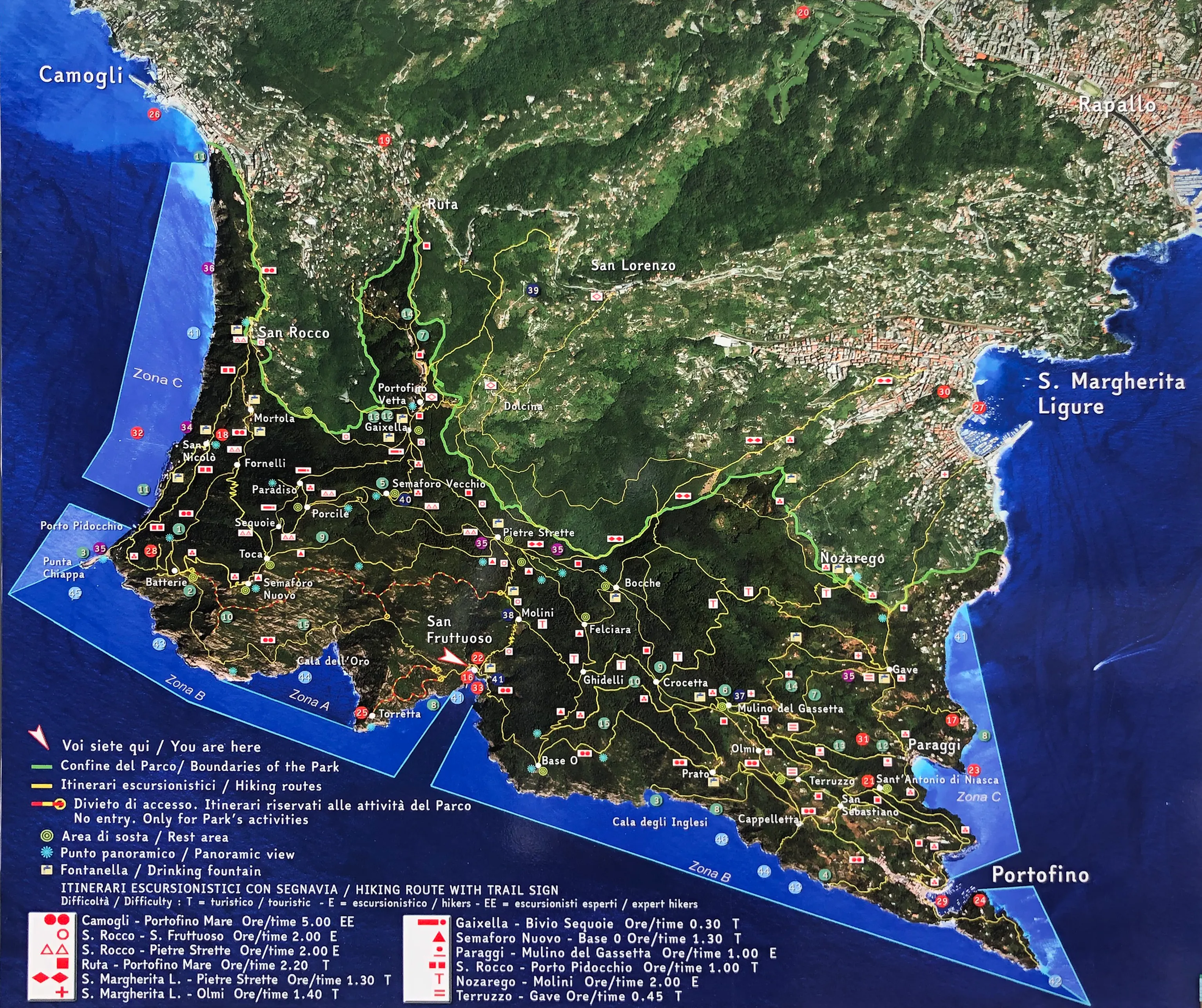
Many travelers combine Portofino with nearby gems such as Camogli, San Fruttuoso, Rapallo, or a simple panoramic walk above the harbor. Even short detours can transform your understanding of the area, showing how villages, monasteries, and marine landscapes relate across the promontory.
If your package includes extra sea time, the perspective from the water is especially rewarding. You see hidden inlets, steep green slopes, and architecture nested into the cliffs - details often missed from roads alone. This layered perspective is one of the strongest reasons to choose a boat-inclusive itinerary.
Why Portofino feels timeless
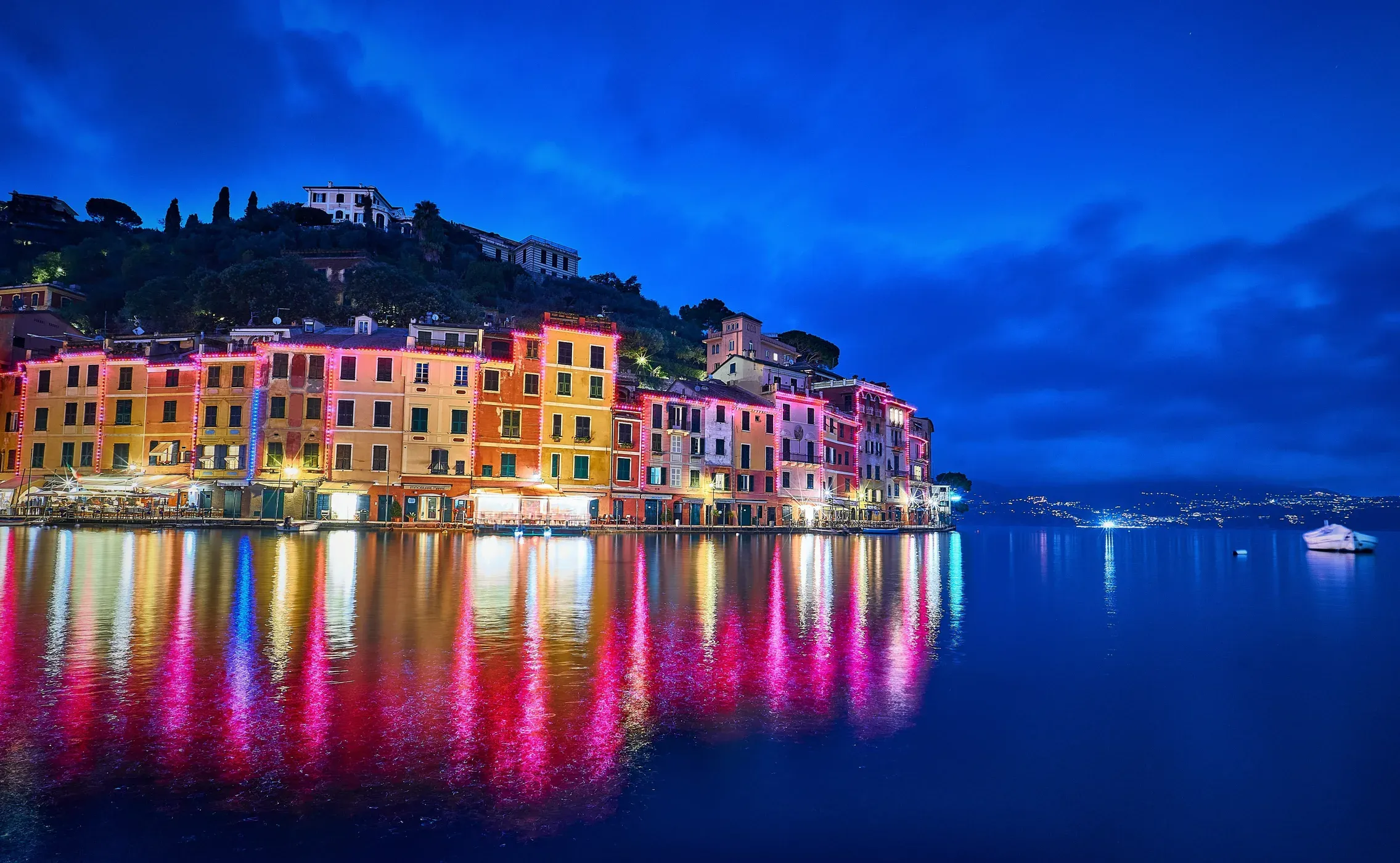
Portofino feels timeless not because it is frozen, but because change has happened in carefully visible layers: working harbor roots, aristocratic elegance, artistic mythology, and contemporary tourism woven into one compact place. Arriving by sea makes this especially clear. You do not just reach a destination - you watch it emerge, almost theatrically, from geography and history.
By the end of your trip, memories tend to be sensory and specific: the texture of harbor light, the curve of painted facades, the rhythm of departure bells, the contrast between city departure and coastal calm. That is why these tours resonate. They deliver more than transport. They offer a narrative journey across one of Italy's most evocative maritime landscapes.
Table of Contents
From Genoa's port republic to Riviera villages
To understand Portofino, it helps to begin in Genoa, once one of the great maritime republics of the Mediterranean. For centuries, Genoese fleets moved goods, people, and ideas across Europe, North Africa, and the Levant, while small coastal villages along the Ligurian shore supplied sailors, fishermen, timber, and shelter. What now feels like a leisure corridor was once a practical maritime network shaped by storms, trade winds, and survival.
As routes expanded and fortunes rose, the Riviera evolved from a working coastline into a layered social landscape where commerce, faith, and local tradition lived side by side. Portofino remained small in scale but rich in strategic and symbolic value: a protected inlet, a fishing community, and later an aspirational destination. Today's transfer routes from Genoa and Milan trace that same coastal logic, following paths first defined by geography and seafaring necessity.
The early harbor life of Portofino
Long before luxury yachts arrived, Portofino was a humble natural harbor where fishermen launched wooden boats at dawn and returned with catches that sustained nearby communities. The harbor's distinctive curved shape offered rare shelter on a rugged coast, making it valuable both for local livelihoods and for passing vessels seeking protection from changing weather.
Early records and oral traditions point to a settlement adapted to sea rhythms: narrow lanes, practical homes, chapels for sailors, and a social life tied to tides and seasons. Even today, beneath the polished postcard image, that older identity remains visible in boat maintenance routines, seafood culture, and the village's enduring relationship with the water.
Fishing, coral, and coastal trade routes
The economy of this coastline once depended on small-scale fishing, coastal trade, and craft knowledge passed between generations. Boats carried anchovies, salted products, olive oil, and local goods to neighboring ports, while maritime know-how - reading currents, preserving catches, repairing hulls - shaped community life in ways visitors rarely see at first glance.
Across Liguria, harbor towns formed a practical chain rather than isolated postcards. Portofino's role may have been modest compared with Genoa's commercial power, but its position in that chain mattered. Modern boat tours now retrace these waters for pleasure, yet the route still carries traces of the same maritime intelligence that sustained communities for centuries.
Nobility, villas, and the Belle Époque coast
By the nineteenth century, improved mobility and changing social habits transformed sections of the Riviera into seasonal retreats for aristocrats, intellectuals, and later international elites. Grand villas appeared on hillsides with commanding sea views, and the image of Liguria shifted from working coast to refined escape.
Portofino's compact harbor became part of that cultural dream: intimate, photogenic, and socially prestigious. This was not merely aesthetic change - it reshaped local labor, architecture, and commerce. Hospitality, service, and curated leisure slowly complemented and sometimes replaced older maritime professions, creating the layered destination travelers encounter today.
Santa Margherita and Rapallo as gateways
For many visitors, Santa Margherita Ligure and Rapallo are not detours but essential gateways to Portofino. Their rail links, promenades, and piers make them natural transition points between inland cities and the protected promontory beyond. Over time, these towns developed robust hospitality infrastructures that support Riviera mobility to this day.
When your tour passes through these hubs, you are seeing the practical skeleton behind Portofino's glamour. Ferries, local buses, and transfer vehicles synchronize here, allowing travelers to experience a small village destination without overwhelming it with unrestricted car traffic. This balance between access and preservation is central to the region's long-term resilience.
The Milan connection and leisure travel
Milan's rise as a financial and cultural capital strengthened its role as a departure city for short, high-quality leisure escapes. As rail and road networks improved, day trips and weekend itineraries to the Ligurian coast became increasingly popular, especially among travelers seeking contrast between urban intensity and coastal calm.
Today, organized tours from Milan convert what could be a complicated multi-leg journey into a coherent experience. This shift is significant: Portofino is no longer reserved for those with private transport or local knowledge. With modern transfer design, it becomes accessible to a wider audience without losing its distinctive atmosphere.
By road, by rail, by sea: changing access
Reaching Portofino has always required adaptation. Historically, access relied heavily on maritime movement and local trails; later came better roads and regional rail integration. Even now, the final approach often works best by boat or shuttle, particularly during high season when road congestion increases.
That multi-modal pattern is not a limitation - it is part of the Riviera experience. You move through layers: city station, coastal hub, then sea approach. Each leg changes your perspective, and by the time you arrive in Portofino, you feel the transition from metropolitan rhythm to harbor-scale life in a way that direct point-to-point travel rarely offers.
Crowds, conservation, and carrying capacity
Portofino's beauty is inseparable from its scale, and that means visitor pressure must be managed carefully. In peak months, narrow lanes and harbor fronts can become crowded quickly, especially when multiple excursions arrive simultaneously. Responsible tour scheduling helps distribute flows and protects both resident life and visitor experience.
From a practical standpoint, this means planning matters: choose earlier departures, keep meeting times, and respect local guidance around movement and waste. Sustainable tourism in small coastal communities depends on thousands of small decisions, and visitors are an active part of that balance.
Festivals, faith, and Riviera traditions
Beyond glamorous imagery, the Riviera keeps deep local traditions alive through religious feasts, maritime blessings, patron-saint processions, and seasonal food festivals. These events stitch communities together and often revolve around harbors, churches, and shared public spaces where residents and visitors meet naturally.
If your trip coincides with a local celebration, you may experience Portofino and neighboring towns at their most authentic: less polished, more communal, and full of small rituals that reveal regional identity. Listening, observing respectfully, and slowing down can turn a scenic day trip into a meaningful cultural memory.
Modern tours and smarter planning
Today, Portofino products range from basic transport to curated full-day experiences. The key is matching format to your travel style: if you value independence, pick transfer-first options with clear free time; if you prefer context and reduced decision fatigue, choose guided formats that coordinate every transition.
Smart planning also means realistic expectations. Portofino is compact, premium, and often busy. Build your day around one or two anchor experiences - harbor stroll, scenic climb, long lunch, or boat segment - rather than trying to do everything. The best Riviera days feel spacious, not rushed.
Protecting marine and architectural heritage
The Portofino area includes environmentally sensitive habitats and a historic built fabric that cannot absorb unlimited impact. Conservation policies, protected marine zones, and access management are therefore not bureaucratic details; they are the reason the destination still feels exceptional.
Choosing reputable operators, reducing single-use waste, and respecting designated paths all contribute to long-term preservation. Responsible tourism is especially important in compact coastal destinations, where small behavioral shifts can have visible effects on water quality, trail erosion, and local quality of life.
Hidden coves, viewpoints, and side routes
Many travelers combine Portofino with nearby gems such as Camogli, San Fruttuoso, Rapallo, or a simple panoramic walk above the harbor. Even short detours can transform your understanding of the area, showing how villages, monasteries, and marine landscapes relate across the promontory.
If your package includes extra sea time, the perspective from the water is especially rewarding. You see hidden inlets, steep green slopes, and architecture nested into the cliffs - details often missed from roads alone. This layered perspective is one of the strongest reasons to choose a boat-inclusive itinerary.
Why Portofino feels timeless
Portofino feels timeless not because it is frozen, but because change has happened in carefully visible layers: working harbor roots, aristocratic elegance, artistic mythology, and contemporary tourism woven into one compact place. Arriving by sea makes this especially clear. You do not just reach a destination - you watch it emerge, almost theatrically, from geography and history.
By the end of your trip, memories tend to be sensory and specific: the texture of harbor light, the curve of painted facades, the rhythm of departure bells, the contrast between city departure and coastal calm. That is why these tours resonate. They deliver more than transport. They offer a narrative journey across one of Italy's most evocative maritime landscapes.